
So many things change with the seasons. Clothing, schedules and of course, skincare! I always switch up my routine and the products I use depending on the time of year. The skin reacts differently throughout the year, so a skincare routine that works in summer can easily lead to dryness, congestion, or irritation in winter. You don’t necessarily have to switch out every product for something new but there are a few important changes that should be made. Today’s post is going to be a roundup of practical tips on how to adapt your routine season by season.
5 Seasonal Skin Care Tips
Seasonal skincare is not about completely replacing a routine every few months. It’s about making small adjustments to cleanser texture, hydration levels, exfoliation frequency, and active ingredients. This changes can help maintain balance and prevent common concerns like irritation, congestion, dryness, and dullness. Seasonal skincare is most effective when routines adapt to the skin’s changing needs instead of remaining static throughout the year.
Does Your Skin Change With the Seasons?
It’s natural for everyone’s skin to change throughout the year. The environment and especially the temperatures outside will have the greatest impact. The skin naturally changes throughout the year as oil production, hydration levels, and sensitivity fluctuate with environmental conditions. The cold weather often reduces natural oil production and increases dryness, while heat and humidity can lead to excess sweat, congestion, and breakouts. Transitional seasons like spring and fall also tend to increase skin reactivity because the skin is adjusting to rapid changes in climate and allergens, etc.
How Does Weather Affect Your Skin?
Cold weather
Reduces natural oil production and increases dryness, tightness, and flaking
Heat and humidity
Lead to excess sweat, oil buildup, and clogged pores
Wind exposure
Weakens the skin barrier and triggers redness or irritation
Indoor heating and air conditioning
Dehydrate skin and worsen sensitivity
UV exposure
Contributes to pigmentation, collagen breakdown, and premature aging year-round
Should You Change Your Skincare Seasonally?
A complete overhaul is not necessary but seasonal skincare adjustments will help maintain balance as environmental conditions shift throughout the year. Look at making gradual product texture and ingredient adjustments based on changes in hydration, oil production, and sensitivity. What you add or remove from your skincare routine will often depend on your skin type but there are some generalized tips that can be helpful to anyone.
Skincare Tips For Seasonal Changes
Spring Skin Care Tips
Temperatures can fluctuate rapidly during the spring season so this is the time to identify which products you want to switch out. Are there products that you use regularly in winter that may feel too heavy for summer? Also seasonal allergies are a huge issue in the spring so adding in any products that can help to reduce irritation or sensitivity could help.
Summer Skin Care Tips
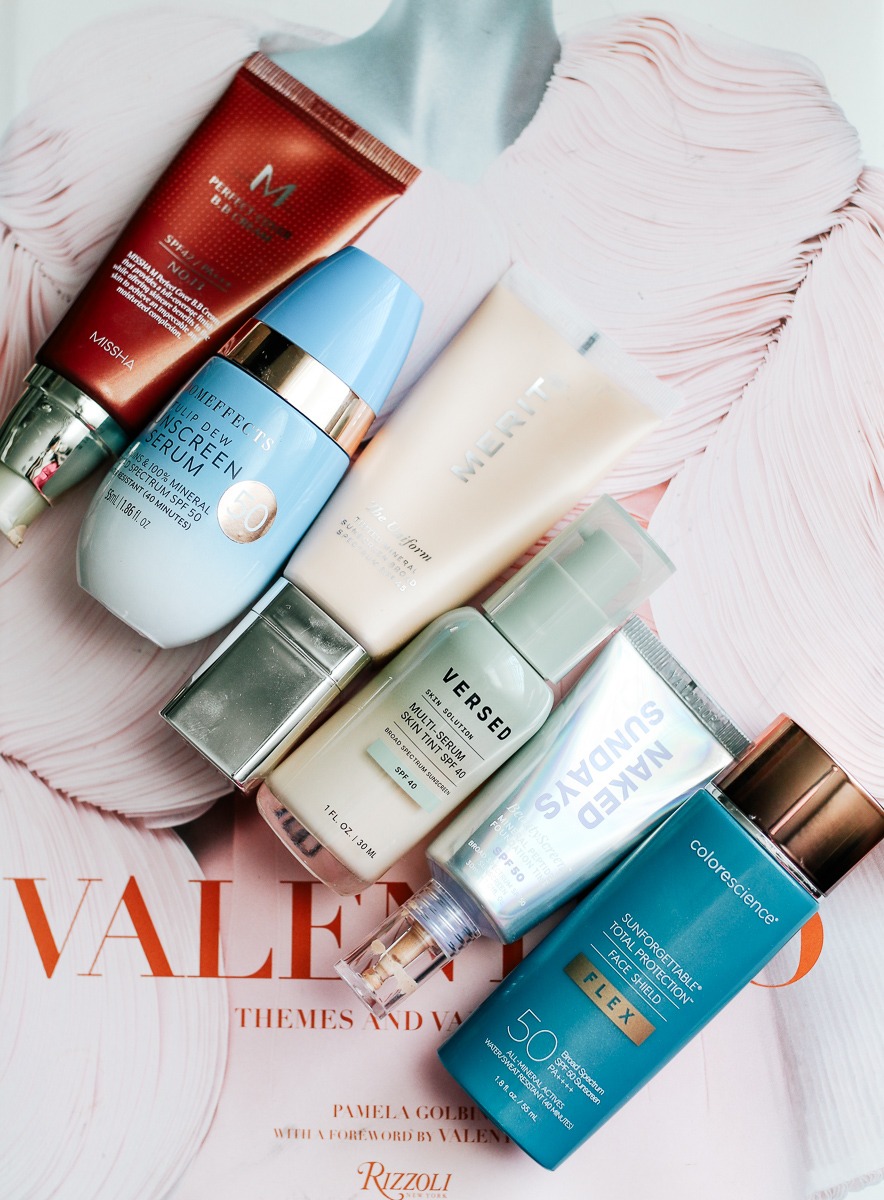
Once the heat and humidity set in, switch to a lighter moisturizer. Focus on products that have lighter textures and offer tons of hydration. Sun protection is the main priority in the summer months because we spend more time outdoors. Choose wide brimmed hats when you go outside, wear protective clothing when possible and don’t forget to apply a broad spectrum sunscreen every single day. Many people cite skin cancer as one of the main reasons to proactively protect your skin but that is only one issue that can come from prolonged sun exposure. Other skin problems like hyperpigmentation, increased aging due to sun damage and intense dehydration can occur if you aren’t properly protecting your skin.
Fall Skin Care Tips
Much like in spring, fall is a time of transition so you can begin to identify what products in your routine need to change for the upcoming colder weather.
Winter Skin Care Tips
Both summer and winter bring extreme weather so focus on changing some of the more important parts of your skincare routine. Rich, barrier strengthening moisturizers are key for helping fight dry skin. Using a humidifier at home and taking lukewarm showers are all things that can help keep your skin healthy and hydrated despite the freezing temperatures.
How To Transition Skincare Routine Between Seasons
Evaluate changes in hydration, oil production, and sensitivity
Depending on your skin type, you could experience more or less oil production throughout the year. Sensitivity will fluctuate due to the extreme temperature changes so don’t switch over your entire routine at one time.
Adjust cleanser texture first
Start by changing your cleanser in the transition seasons (spring/fall). Opt for something like a gel in the spring/summer and a cream/milk in the fall/winter.
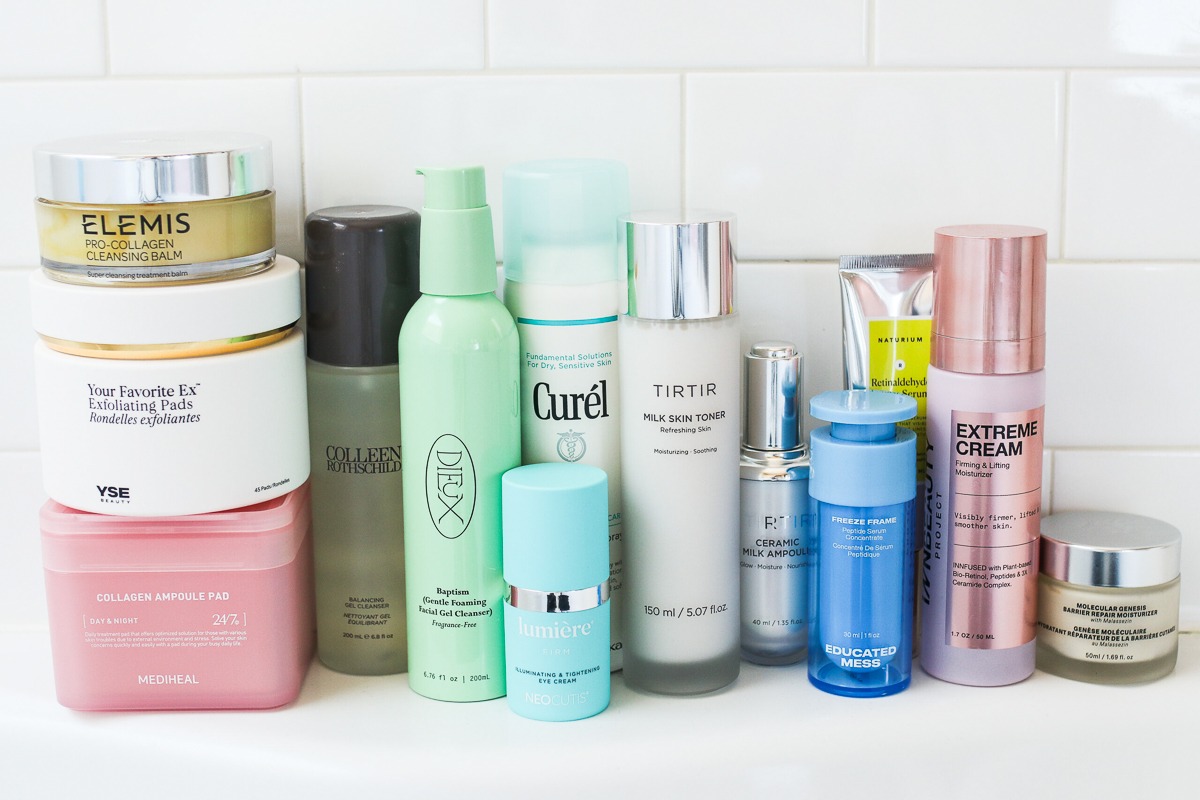
A few summer cleanser recommendations: Dieux Baptism Cleanser and OneSkin Prep Cleanser (code: MAREE15)
For more hydrating formulas, here are my winter cleanser recommendations: Tatcha Rice Wash and La Roche Posay Gentle Hydrating Cleanser.
Gradually increase or reduce the moisturizer weight
The other product category that is essential to change throughout the seasons is your moisturizer. Lighter weight formulas are best in the warmer months (even for dry skin types). Heavier moisturizers can help with dryness in the cold weather but find one that suits your specific skin type.
Summer moisturizer favorites: OneSkin OS-01 Face Topical Supplement (code: MAREE15), Cocokind Electrolyte Water Cream
My must have winter moisturizers: Dieux Instant Angel, INNBEAUTY Extreme Cream and Experiment Beauty Molecular Mesh (code: MAREE15)
Modify exfoliation frequency based on irritation levels
Because we tend to be outside in the sun more often during the spring/summer, it’s best to reduce your exfoliation frequency. Exfoliation can make your skin more sensitive to the sun and allow for further damage so lessen your use of your favorite exfoliating products during the warmer months. I often will then increase my exfoliation use in the winter to help with any dryness that occurs from the colder weather.
Introduce stronger active ingredients slowly
If you find that your skin does react when the seasons change, the best way to combat this is to pare down your skincare routine to only the basics. Cleanse, moisturize and protect (SPF). Once your skin is balanced and responding well to the season change, you can begin to introduce your active ingredients again.
Frequently Asked Questions About Seasonal Skin Care
How often often to update skincare for changing seasons?
It’s only necessary to update your skincare twice a year. Having a set routine for the warmer months versus the colder months is the best way to determine when to switch things up.
Why does skin complexion change with the seasons?
Our skin is often the first line of defense against the elements so it will always change when the seasons do.
Related posts:

Comments